
LED lighting solutions in Alpharetta, GA have become a popular option for outdoor lighting both for homes and commercial properties; but many clients still have questions. This is largely due to misinformation based on an outdated understanding of how LED technology works and its limitations. It’s important to understand how outdoor LED lighting works so this article will address six of the most commonly asked questions around the technology used for outdoor LED lighting and why it is the best solution.
1. Do LED lights really save money?
LED lights are designed to replace incandescent, fluorescent, halogen and other lighting types. In general, they will reduce energy consumption by a minimum of 40%, but often up to 80%. They can last up to (and sometimes longer than) 100,000 hours which also reduces the amount of maintenance that an outdoor lighting system will need. Between the energy saving and the reduced maintenance costs, LED lights quickly become a cost-efficient option.
2. What are the key benefits of using LEDs for landscape lighting?
There are many advantages to using LED lighting for outdoor areas; the key benefits are:
· A noticeable, immediate reduction in your electricity bill
· Long-lasting bulbs, LED bulbs typically last between 50,000 and 100,000 hours
· Durability – making them the perfect solution for outdoor use
· Efficiency, they produce less heat as they’re more efficient at converting electrical energy into light
· Safety as they don’t contain any hazardous materials
· The ease with which they can be recycled
3. How does LED lighting work?
There are three primary components: the LEDs, the heat sink and the driver. The driver converts AC power to DC and makes it available to the LEDs to create light. The LEDs are the chip set that produces the light. The heat sink works to catch the heat from the driver and the LEDs.
4. Can you control the brightness of LED lights with dimmer controls?
Not all LEDs are dimmable; it will depend on the driver which needs to be designed specifically to allow dimming and the installation of a particular type of dimmer. Check for both if you want an outdoor lighting solution that is dimmable.
5. Are LED lights good for the environment?
Yes! In addition to the energy savings and long lifespans of LED lights, they are also environmentally friendly. LED bulbs don’t contain mercury (or any other hazardous metal or chemicals), so they can easily be recycled.
6. Is it true that the only color temperature available for LEDs is that harsh white light?
Absolutely not. When LED lights first became available on the market the light temperature was Cool White which is fine for floodlights, but not a good way to create ambiance. As technology has developed, there is now a wide range of different colors, as well as a variety of ‘white’ bulbs to choose from.
Manufacturers label the LEDs with terms such as Day White, Natural White, Warm White, and Cool White. These labels signify the warmth of the light, warmer lights will have more yellow tones, and cooler lights will have more blue tones. For an outdoor LED lighting installation, it often works well to have a combination of warm and cool LED lights to create a perception of depth and variation for the garden.
If you’re looking for LED landscape lighting in Alpharetta, GA, give the team at Southern Landscape Lighting Systems a call. They’ll be able to answer all your questions about using LED lighting for your garden as well as giving some suggestions on how to get started. With many years of experience, they’re the best landscape lighting company with specific expertise with LED lighting.
The following post was originally published on Southern Landscape Lighting Systems Answers Your 5 Top Questions on LED Landscape Lighting in Alpharetta, GA and is courtesy of Southern Landscape Lighting Systems. Find more on:} The Southern Landscape Lighting Systems Blog in Georgia

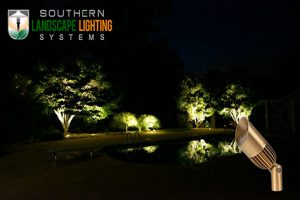 Light Fittings
 Answering the question of whether outdoor lighting is a priority, Rodericks explains from her experience, the importance of outdoor lighting as both adding to one’s quality of life, and as a safety and security precaution. Lighting up your outdoor area means that you can spend more time outside. With shorter daylight hours during the winter months, it is still possible to enjoy being outside, even after it gets dark. Beautiful outdoor lighting also adds to the curbside appeal of a home, so if you’re thinking of selling your home at some stage, an outdoor lighting installation is the right way to go. From a safety and security perspective, a yard that is well-lit is safer when navigating steps, and uneven pathways are less risky to navigate. In addition, potential burglars are less likely to target a home with grounds that are well lit.
 The Marietta’s Southern Landscape Lighting Systems have continued to receive 5-star reviews across Google, Facebook, and Yelp. A focus for them for 2019 will be building on their online reputation to reach new customers who haven’t heard about their services before. As Rodericks notes, “We have always understood that our customers are often our best marketing resources.” This has increasingly moved into the online space as potential customers are searching online for recommendations for outdoor lighting companies.
 The last thing that should be looked at is adjusting the timers for your outdoor lighting installation. Most outdoor lighting installations have an automatic timer that switches on outdoor lights when night falls. With the end of daylight saving time, as with the clocks in your home, the timer also needs to be adjusted accordingly. It’s easy to forget to do this, but it is important if you are going to be arriving home in the dark and need to safely navigate your way to the front door and into your home.
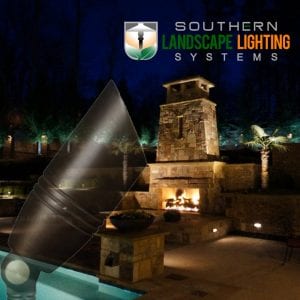 Take the time to go around your property and note which features you want to stand out at night; research which light fitting will best illuminate these areas, and the transformer and cables that best suit your needs.
 Safety is always an important consideration so make sure you check your lights, whether they have come straight from the store or out of the basement, for any broken bulbs or split cords. Also ensure any lights you are using outside have been manufactured specifically for outdoor use and have a high waterproof rating. If you are buying lights new, avoid cheap low-quality options.
 The cables and cords from the lights can themselves become a safety risk. Try to avoid running cables along walkways so as not to be a potential tripping hazard. Make sure that cables aren’t run through doors and windows where they might be squashed or damaged and never run cables through pools or water features. All outdoor connection points must be waterproofed or sheltered.
 Southern Landscape Lighting Systems further explained to us a phenomenon called ‘light pollution.’ This term refers to excessive light from manmade sources at night. Light pollution not only has a negative impact on nature but on people too. Artificial lights disturb the sleep of nocturnal animals, reducing reproduction rates of certain species. Sleep cycles of humans are also being disrupted as a result of excessive light pollution, resulting in physical and mental health problems.